
Blogs
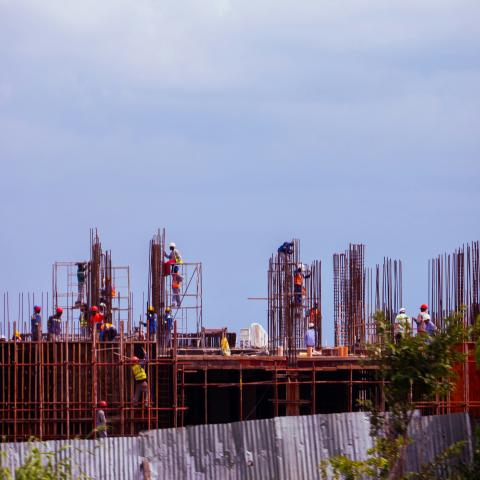
What are the Best Practices for Handling, Cutting, and Bending Deformed Bars On-Site?
Deformed bars, or rebars, are essential in reinforcing concrete structures across the Philippines. To maximize their strength and ensure structural safety, proper handling, cutting, and bending practices must be followed on-site.
Handling
When transporting and storing deformed bars, it is best to place them on flat, elevated surfaces to prevent contact with soil and moisture, which can cause rust. They should also be stacked neatly by size to make identification easier and avoid unnecessary damage. Workers must use proper lifting equipment, especially for long and heavy bars, to ensure safety.
Cutting
Cutting should always be done using mechanical tools such as rebar cutters or cutting machines instead of gas torches, as heat can affect the steel’s strength. Cuts must follow project specifications and should be measured carefully to avoid wastage. Always wear protective gear like gloves and goggles when cutting rebars.
Bending
For bending, it is recommended to use a rebar bender or bending machine rather than manual methods. This ensures accurate angles and prevents cracks or fractures in the bar. Bending should always follow the minimum bend radius specified in Philippine building standards to maintain the bar’s structural integrity.
By following these best practices, contractors and builders can ensure that deformed bars perform their intended function—providing strong, durable reinforcement for concrete structures. Proper handling, cutting, and bending not only improve safety on-site but also extend the lifespan of any construction project.
Acersteel Industrial Sales Inc offers one of the most complete size selections of high quality and affordable steel Deformed Bars in the Philippines.
Reach out to our friendly sales associates to assist you today.
Trunkline: 8657-3888/0925-7236718/0919-0883680/0917-8566039
Website: www.acersteel.net
Email: [email protected]
#Acersteel #SteelPhilippines #Rebar #DeformedBars